

Church Challenges: Pentecostal Church Criticisms Explored
Welcome to an exploration of the challenges facing Pentecostal churches today. Despite their growing numbers and influence, Pentecostal churches have not been immune to criticisms from both outside observers and members of their own congregations. In this article, we will delve into some of the key criticisms levelled against Pentecostal churches and explore the implications for faith communities. Join us as we navigate the complexities of Pentecostal church criticisms and uncover potential paths for moving forward.
Contents
- Challenges Facing Pentecostal Churches Today
- Common Criticisms Directed at Pentecostal Churches
- Examining the Role of Prosperity Gospel in Pentecostal Churches
- Navigating Divisive Doctrine and Theology Debates in the Pentecostal Community
- Challenges of Maintaining Accountability and Transparency in Pentecostal Churches
- Introduction
- Addressing the Issue of Emotional Manipulation and Excessive Charismatic Practices
- The Need for Proper Training and Education for Pentecostal Church Leaders
- Balancing Tradition and Innovation in Pentecostal Church Practices
- Strategies for Overcoming Criticisms and Building Stronger Pentecostal Churches
- Exploring
- FAQ: Navigating Differences Between Pentecostalism and Other Traditions
- Addressing Common Criticisms and Theological Disagreements with Pentecostalism
- In Conclusion
- Navigating Criticisms: Addressing Controversies within Pentecostalism
Challenges Facing Pentecostal Churches Today
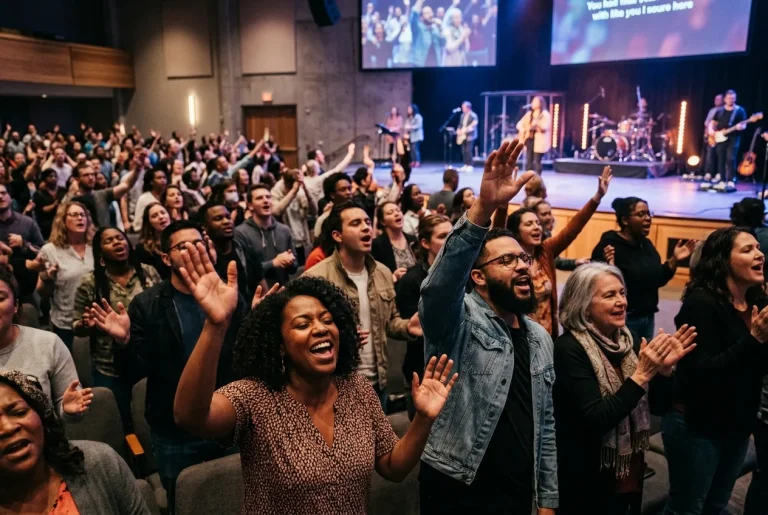
Pentecostal churches face several challenges in today’s society that can impact their growth and effectiveness. One major criticism often directed at Pentecostal churches is their perceived emphasis on emotionalism and sensationalism in worship services. Some critics argue that the focus on speaking in tongues, healing services, and other charismatic practices detracts from the true message of the Gospel.
Additionally, Pentecostal churches can struggle with issues related to leadership and transparency. Concerns about financial accountability, hierarchical structures, and the influence of charismatic leaders can create tension within congregations and lead to divisions within the church community.
Another challenge facing Pentecostal churches is the need to adapt to modern technology and changing cultural norms. Keeping up with social media, online outreach, and engaging younger generations can be a struggle for traditional Pentecostal congregations.
Overall, addressing these challenges requires Pentecostal churches to reflect on their practices, engage in open dialogue with critics, and find ways to stay relevant in an ever-changing world. By addressing these concerns head-on, Pentecostal churches can continue to thrive and spread their message of faith and hope.
Common Criticisms Directed at Pentecostal Churches
One common criticism directed at Pentecostal churches is their emphasis on emotionalism over doctrine. Critics often argue that Pentecostal services prioritize ecstatic experiences, such as speaking in tongues and prophecy, at the expense of biblical teaching and theological depth.
<p>Another criticism is the perceived lack of accountability and structure within Pentecostal churches. Some critics claim that the decentralized nature of these churches, with a strong emphasis on individual spiritual experiences, can lead to a lack of oversight and potential abuse of power by charismatic leaders.</p>


<p>Many also criticize Pentecostal churches for their prosperity gospel teachings, which emphasize material wealth as a sign of God's favor. Critics argue that this focus on financial success can lead to exploitation of vulnerable congregants and a distortion of the true message of Christianity.</p>


<p>Lastly, some critics of Pentecostal churches point to their exclusionary practices, such as speaking in tongues as a necessary evidence of salvation, as divisive and alienating to those outside the faith.</p>
Examining the Role of Prosperity Gospel in Pentecostal Churches
Within Pentecostal churches, the concept of prosperity gospel has been a topic of much debate and criticism. This belief system, which emphasizes that faith can lead to wealth and success, has been both praised and condemned by various religious leaders and scholars.
One of the main criticisms of the prosperity gospel is that it can lead to a focus on material wealth over spiritual growth. Critics argue that this emphasis on prosperity can distract from important teachings on humility, service, and compassion.
Despite the criticisms, many Pentecostal churches continue to embrace the prosperity gospel, seeing it as a way to empower their members and promote financial stability. Some argue that the focus on prosperity can inspire individuals to work hard and achieve their goals.
Overall, the role of prosperity gospel in Pentecostal churches is a complex and nuanced issue that continues to be examined and debated within religious communities around the world.
In the Pentecostal community, there are often heated debates and disagreements surrounding various doctrinal and theological topics. These divisive discussions can lead to rifts within the church and create tension among members. To navigate these challenges, it is essential for Pentecostals to approach these debates with an open mind and a spirit of unity.
One way to address divisive doctrine and theology debates within the Pentecostal community is to prioritize the core beliefs that unite all believers. Focusing on the essential principles of faith, such as the belief in the Trinity, the authority of Scripture, and the importance of salvation through Christ, can help to bring unity amidst disagreements.
It is also crucial for Pentecostals to engage in respectful dialogue and active listening when discussing contentious issues. By seeking to understand different perspectives and valuing diverse opinions, the church can foster a culture of mutual respect and cooperation.
Ultimately, while debates over doctrine and theology may arise in the Pentecostal community, it is essential for believers to remember the importance of love, grace, and humility in all discussions. By approaching these challenges with a spirit of unity and mutual respect, the church can overcome division and strengthen its witness to the world.

Challenges of Maintaining Accountability and Transparency in Pentecostal Churches
Introduction
Pentecostal churches have faced criticism and scrutiny when it comes to maintaining accountability and transparency within their organizations. This has led to challenges that need to be addressed in order to maintain trust and credibility among members and the public.
Lack of Financial Transparency
One major challenge faced by Pentecostal churches is the lack of financial transparency. Many churches do not publicly disclose their financial information, leading to concerns about how donations are being used. Without transparency in financial matters, it can be difficult for members to trust that their contributions are being used in a responsible manner.
Leadership Accountability
Another challenge is ensuring leadership accountability within Pentecostal churches. Some churches have faced scandals involving leaders engaging in unethical behavior or misusing their authority. It is important for churches to have mechanisms in place for holding leaders accountable and addressing any misconduct in a transparent manner.
Decision-Making Processes
Transparency in decision-making processes is also crucial for maintaining accountability within Pentecostal churches. When key decisions are made behind closed doors, it can lead to suspicions of favoritism or lack of accountability. Churches should strive to involve members in decision-making processes and communicate openly about how decisions are reached.

Addressing the Issue of Emotional Manipulation and Excessive Charismatic Practices
In the world of Pentecostal churches, there has been a growing concern over the issue of emotional manipulation and excessive charismatic practices. These practices can often lead to a sense of control and manipulation within the congregation, causing harm instead of fostering spiritual growth and community.
One of the main criticisms of some Pentecostal churches is the use of emotional manipulation to elicit certain responses from their members. This can include tactics such as guilt-tripping, fear-mongering, or excessive emotional displays meant to create an atmosphere of intense emotion and vulnerability. While some may argue that these tactics are used to evoke a spiritual experience, others believe that they can be harmful and lead to a sense of manipulation and control.
Additionally, excessive charismatic practices within Pentecostal churches can also raise concerns. This can include the elevation of charismatic leaders to a status of almost divine authority, leading to a worship of the individual rather than a focus on God. It can also involve the use of extravagant displays of supernatural gifts and experiences, which may not always be grounded in biblical principles.
It is important for Pentecostal churches to be mindful of these criticisms and strive to create a healthy and balanced spiritual environment for their members. By , churches can foster a community that is centered on a genuine relationship with God and a spirit of love and unity.
The Need for Proper Training and Education for Pentecostal Church Leaders
In order to address the criticisms surrounding the leadership of Pentecostal churches, it is crucial to emphasize the need for proper training and education for church leaders. This foundational aspect is often overlooked, leading to a lack of preparation and knowledge among those tasked with guiding congregations. By investing in training programs and educational resources, Pentecostal church leaders can better equip themselves to handle the challenges and responsibilities that come with their roles.
Proper training and education can help Pentecostal church leaders in the following ways:
– **Understanding of Theology**: A deeper understanding of theological concepts can enhance the spiritual guidance provided by church leaders.
– **Pastoral Care Skills**: Training in pastoral care can improve the ability of leaders to support and counsel congregation members.
– **Leadership Development**: Education in leadership principles can help church leaders effectively manage their congregations and ministries.
– **Cultural Sensitivity**: Training in cultural awareness can enable leaders to minister to diverse communities with sensitivity and understanding.
In conclusion, investing in the training and education of Pentecostal church leaders is essential for addressing criticisms and improving the overall effectiveness of church leadership. By prioritizing continuous learning and growth, church leaders can better serve their congregations and fulfill their roles with confidence and competence.
Balancing Tradition and Innovation in Pentecostal Church Practices
In the ever-evolving landscape of religious practices, Pentecostal churches are facing the challenge of balancing tradition with innovation. Some critics argue that the emphasis on spiritual gifts and ecstatic worship in Pentecostalism can sometimes overshadow the importance of biblical teaching and theological depth.
On the one hand, traditional practices such as speaking in tongues, healing services, and prophetic utterances are deeply ingrained in Pentecostal worship. These practices are seen as essential manifestations of the Holy Spirit’s presence and power. However, some critics argue that these practices can sometimes detract from the central message of the gospel and the importance of sound doctrine.
Many Pentecostal churches are striving to strike a balance between honoring their rich traditions and embracing new ways of engaging with their congregation. This can involve incorporating modern worship styles, utilizing technology for outreach and communication, and promoting a deeper understanding of the Bible through in-depth study and theological training.
Ultimately, the challenge for Pentecostal churches lies in navigating the tension between honoring their charismatic roots and adapting to the changing needs and expectations of their members and society at large. Finding the right balance between tradition and innovation is key to ensuring the continued relevance and effectiveness of Pentecostal church practices in the modern world.
Strategies for Overcoming Criticisms and Building Stronger Pentecostal Churches
Exploring
Dealing with criticisms is an inevitable part of any organization, including Pentecostal churches. However, by implementing effective strategies, these churches can overcome challenges and emerge stronger than ever. Here are some valuable approaches to address criticisms and build a more resilient Pentecostal church:
- Transparent Communication: Open and honest communication within the church community can help dispel misunderstandings and rumors. Encouraging dialogue and feedback can foster a culture of trust and unity.
- Commitment to Continuous Improvement: By constantly seeking ways to enhance the church’s programs, services, and outreach efforts, Pentecostal churches can demonstrate a willingness to evolve and grow in response to constructive criticisms.
- Empowering Leadership: Strong and visionary leadership that is receptive to feedback and willing to make necessary changes is crucial for navigating criticisms effectively. Empowerment of church members to contribute their ideas and talents can also strengthen the overall community.
| Challenge | Strategy |
|---|---|
| Lack of Engagement | Implement interactive programs to involve members in church activities. |
| Financial Concerns | Develop transparent financial policies and communicate them clearly to the congregation. |
A frequent area of inquiry is what are some disbeliefs of the pentecost religion? Unlike some traditional denominations, Pentecostalism places less emphasis on formal liturgy or infant baptism, and strongly disbelieves in a purely rationalistic view of Christianity that ignores modern-day miracles or the active gifts of the Holy Spirit (like speaking in tongues). Additionally, scholars occasionally discuss the negative effects of pentecostalism on anglicanism, theological differences, ecclesiastical tensions, and shifts in church attendance, as the more expressive, experiential worship style of Pentecostal churches often draws younger congregants away from the structured formalism of Anglican parishes.
How do these ecclesiastical tensions manifest?
The shift often causes localized friction regarding worship styles and doctrinal authority. While some view these differences as irreconcilable, many ecumenical leaders emphasize the shared foundational beliefs in Christ, striving for unity despite the divergent expressions of faith.
Addressing Common Criticisms and Theological Disagreements with Pentecostalism
When examining Pentecostalism, it is essential to ask, what are some criticisms of the pentecost religion? Many of these critiques stem from differing views on Pentecostal theology and charismatic practices. Critics often express concern over the emphasis on emotionalism, spiritual gifts, and subjective spiritual experiences, which they feel can sometimes overshadow sound doctrine and biblical teaching.
FAQ: Understanding Pentecostal Criticisms
What are some criticisms of the pentecost religion?
Some of the primary criticisms of the Pentecost religion involve its perceived overemphasis on emotional experiences, the prevalence of prosperity gospel teachings in certain congregations, and concerns regarding leadership accountability within the charismatic movement.
In Conclusion
In conclusion, it is important to acknowledge that the Pentecostal church, like any institution, is not without its challenges and criticisms. However, by understanding the perspectives and concerns raised by critics, we can work towards addressing these issues and strengthening our faith community. It is our hope that through open dialogue and reflection, we can continue to grow and evolve as a church, remaining committed to our core beliefs while also being receptive to constructive feedback. As we navigate the complexities of modern society, let us remember that it is through introspection and humility that we can truly embody the teachings of Christ and fulfill our mission as a church. Thank you for exploring these Pentecostal church criticisms with us.
While the movement has grown globally, many outsiders frequently search for the errors of pentecost or broadly ask for the reasons pentecostal is dumb or pentecostal rediculous. When evaluating pentecostal what are the cons, skeptics often point to high-emotion environments, asking if the pentacostal church dangerous? Some specific inquiries involve bizarre behavioral allegations, such as pentecostal hitting on the face during intense prayer lines, or extreme conspiracy theories asking why do pentecostal churches or society at large try to sabotage mens marriages, job prospects and then create enemies and often end up getting people that start the shit killed or become the targets of well deserved revenge. Though most of these extreme claims lack broad merit, undeniable pentecostal church scandals—including tragic reports regarding bad things pentecost church has done to children in isolated, high-control congregations—have fueled questions about the ways pentecostal religion is dangerous? Critics also highlight social dynamics, asking are pentecostals ‘fussy’? or investigating exclusionary practices in charismatic churches, such as the social pressure of in pentecostal is it bad to push it on to other people aggressively, or the rumors of pentecostals apologizing before joining the church as a form of coerced repentance. Furthermore, observers often ask, why doesnt the pentecostal church help poor people like the salvation army? While many Pentecostal assemblies do have robust charity wings, their primary focus on spiritual deliverance sometimes overshadows visible social justice efforts.
In addition to social concerns, theological and cultural shifts have prompted modern believers to re-evaluate the movement. Scholars seek supporting evidence/quote/detail for what are a few pentecostal traditions that are outdated tdy, or more specifically, supporting evidence/quote/detail for what are a few pentecostal traditions that are outdated in the 21stcentury, pointing to strict modesty codes or gender roles that many consider pentecostal wrong today. Despite these critiques and the frequent internet searches listing reasons why pentecostal is dumb, many adherents argue that reform is active from within. They emphasize why it is important for the church to not be silent in the pentecostal church on sunday service, advocating for transparency, accountability, and a return to genuine scriptural roots rather than performance. Ultimately, addressing these challenges head-on is vital for the modern Pentecostal church to grow in grace and truth.
Get our latest guides, news, and insights highlighted in your Google Search & AI Overviews.




 THE SECRET ELITES DON'T WANT YOU TO KNOW