

Why Is the Tabernacle Important in a Catholic Church?
The Tabernacle stands as a central fixture in every Catholic church, holding within it the consecrated Eucharist. But why is this seemingly simple yet intricately designed structure of utmost importance in the Catholic faith? Join us as we explore the significance and sacredness of the Tabernacle within the walls of a Catholic church.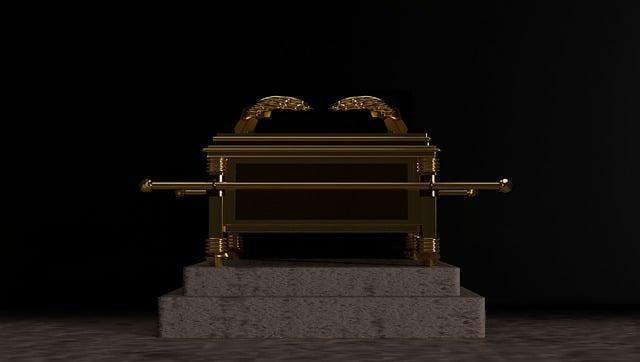
Contents
- The Significance of the Tabernacle in Catholic Worship
- A Sacred Repository of the Blessed Sacrament
- The Tabernacle as a Place of Prayer and Adoration
- Why Is the Tabernacle Important in a Catholic Church?
- Understanding the Role of the Tabernacle in Catholic Liturgy
- The Historical Development of the Tabernacle in Church Architecture
- Enhancing Devotion and Reverence through the Tabernacle
- Practical Considerations for the Placement of the Tabernacle in Churches
- The Tabernacle as a Symbol of Christ’s Real Presence in the Eucharist
- Fostering a Sense of Sacredness and Spiritual Communion through the Tabernacle
- In Retrospect
The Significance of the Tabernacle in Catholic Worship
In a Catholic church, the Tabernacle holds immense significance as it serves as a sacred vessel for the Eucharist, which is the body and blood of Christ. Placed on the altar, the Tabernacle is a focal point of worship and reverence for Catholics around the world. It symbolizes the presence of Jesus Christ among the people and represents a place of prayer and adoration.
The Tabernacle is designed with intricate details and ornate decorations, reflecting the importance of the Eucharist in the Catholic faith. Its placement in the church is carefully chosen to ensure that it is easily accessible and visible to all worshipers. The Tabernacle serves as a reminder of the real presence of Christ in the bread and wine, making it a central aspect of Catholic worship.
When approaching the Tabernacle, Catholics are encouraged to show respect and reverence by genuflecting or bowing as a sign of adoration. The Tabernacle is a sacred place where Catholics come to pray, reflect, and receive spiritual nourishment through the Eucharist. It is a symbol of the Catholic Church’s rich tradition and deep connection to the teachings of Jesus Christ.
A Sacred Repository of the Blessed Sacrament
In a Catholic church, the Tabernacle serves as , the body and blood of Christ. Placed prominently in the sanctuary, the Tabernacle holds great significance for believers and plays a central role in their worship and devotion.
The Tabernacle represents the presence of Christ in the Eucharist, symbolizing his real and abiding presence among his followers. It is a focal point for prayer, adoration, and reflection, reminding worshippers of the central mystery of their faith – the belief in the transubstantiation of bread and wine into the body and blood of Jesus during the celebration of the Mass.
The Tabernacle is often adorned with intricate designs, precious metals, and embellishments, reflecting the reverence and respect that Catholics have for the Blessed Sacrament. It is a visual and physical reminder of the holiness and sanctity of the Eucharist, inviting worshippers to approach with humility, awe, and gratitude.
By keeping the consecrated hosts within the Tabernacle, Catholics believe they are preserving the Body of Christ and ensuring that it is treated with the utmost care and reverence. The Tabernacle thus serves as a focal point for the faithful to come and encounter the living presence of Jesus in a tangible and profound way.
The Tabernacle as a Place of Prayer and Adoration
Why Is the Tabernacle Important in a Catholic Church?
One of the central features of a Catholic Church is the Tabernacle, a sacred vessel that holds the consecrated Eucharist. The Tabernacle serves as a place of prayer and adoration, symbolizing the presence of Christ among his people. Here are a few reasons why the Tabernacle is considered important in a Catholic Church:
- Christ’s Real Presence: Catholics believe in the doctrine of transubstantiation, which teaches that during the Eucharistic celebration, the bread and wine become the actual body and blood of Christ. The Tabernacle is where the consecrated hosts are kept, allowing worshippers to pray in the presence of Jesus.
- Continual Worship: The Tabernacle is a constant reminder of the ongoing worship and adoration that takes place in the Church. Catholics believe in the importance of offering prayers and praises to God at all times, and the Tabernacle signifies this continuous act of worship.
In addition to being a place of prayer and adoration, the Tabernacle also serves as a focal point for Catholics to express their devotion and reverence towards the Eucharist. It is a symbol of Christ’s abiding presence in the Church and a source of spiritual nourishment for the faithful.
| Reasons | Importance |
|---|---|
| Christ’s Real Presence | Signifies the actual presence of Jesus in the Eucharist |
| Continual Worship | Represents ongoing acts of worship and adoration |

Understanding the Role of the Tabernacle in Catholic Liturgy
The tabernacle holds a significant role in Catholic liturgy as it serves as a sacred space where the consecrated Eucharist is kept. This small cabinet or box is located on the altar or in a prominent place within the church, symbolizing the presence of Christ among the faithful. Here are a few key reasons why the tabernacle holds importance in the Catholic Church:
Presence of Christ: The tabernacle is where the consecrated hosts, believed to be the body of Christ, are reserved for adoration, communion, and for the sick and homebound. It is a tangible representation of Christ’s real presence among believers.
Focus of Worship: Placing the tabernacle in a central location within the church helps to direct the attention of the faithful towards the Eucharist, the source and summit of Catholic worship. It reminds the congregation of the presence of Christ in their midst.
- Symbol of Reverence: The tabernacle is treated with great reverence and respect by Catholics, who genuflect or bow in its direction as a sign of adoration for Christ. It is a constant reminder of the sacredness of the Eucharist and the importance of the real presence of Christ in the Church.
In conclusion, the tabernacle plays a crucial role in Catholic liturgy by serving as a focal point for worship, a symbol of Christ’s presence, and a reminder of the reverence due to the Eucharist. Its placement and design are carefully considered to enhance the spiritual experience of the faithful during Mass and other liturgical celebrations.
The Historical Development of the Tabernacle in Church Architecture
The tabernacle is a central fixture in Catholic churches, symbolizing the presence of Christ in the Eucharist. Its historical development in church architecture has evolved over centuries, reflecting changes in religious beliefs and worship practices.
One key aspect of the tabernacle’s significance lies in its origin as a container for the Eucharist, considered by Catholics to be the body and blood of Christ. This sacred vessel is typically located on the altar or in a prominent position within the church, emphasizing its importance in the faith.
Throughout history, the design of the tabernacle has varied, reflecting different artistic styles and cultural influences. From ornate golden fixtures to simple wooden boxes, the tabernacle has taken on a variety of forms while maintaining its central role in Catholic worship.
In modern Catholic churches, the tabernacle continues to hold a place of reverence, serving as a focal point for prayer and devotion. Its historical development in church architecture highlights the enduring significance of the Eucharist in the Catholic faith.
Enhancing Devotion and Reverence through the Tabernacle
The Tabernacle is an essential element in a Catholic Church as it serves as a sacred space where the consecrated Eucharist is kept. This small, ornate box is typically located on the altar or in a prominent location within the church, symbolizing the presence of Christ among the faithful.
One of the primary reasons why the Tabernacle is important is that it enhances devotion and reverence among the worshippers. By housing the Body of Christ, Catholics are reminded of the Real Presence of Jesus in the Eucharist, which deepens their faith and strengthens their spiritual connection to God. This tangible representation of Christ’s love and sacrifice fosters a sense of awe and respect during Mass and other liturgical celebrations.
Furthermore, the Tabernacle serves as a focal point for prayer and contemplation. Catholics can approach the Tabernacle to spend time in silent adoration, offering their prayers and intentions to the Lord. This practice helps believers to cultivate a deeper sense of intimacy with God and to experience His presence in a more profound way.
In conclusion, the presence of the Tabernacle in a Catholic Church is a powerful reminder of the central role of the Eucharist in the life of the faithful. By venerating the Tabernacle, Catholics can grow in faith, devotion, and reverence, drawing closer to Christ and experiencing His love in a tangible and transformative manner.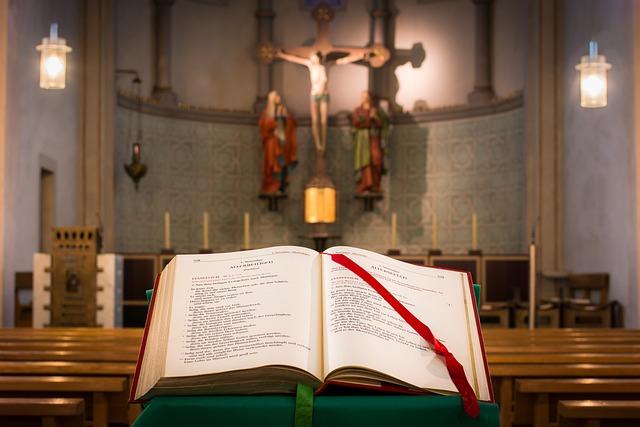
Practical Considerations for the Placement of the Tabernacle in Churches
One practical consideration for the placement of the Tabernacle in Catholic churches is the principle of centrality. The Tabernacle, which houses the consecrated Eucharist, is traditionally placed in the center of the church to symbolize the presence of Christ at the heart of the community. This central location also serves as a focal point for the faithful during liturgical celebrations and private prayer.
Another important consideration is visibility. Placing the Tabernacle in a prominent location ensures that it is easily accessible and visible to all worshipers. This visibility helps to emphasize the significance of the Eucharist in the life of the Church and encourages reverence and devotion among the faithful.
Consideration should also be given to security and reverence. The Tabernacle should be placed in a secure location to safeguard the Blessed Sacrament and show proper respect for the Eucharist. This may involve using a lockable tabernacle or ensuring that the area is monitored to prevent any potential desecration.
Ultimately, the placement of the Tabernacle in a Catholic church should be guided by a desire to honor and worship the Real Presence of Christ in the Eucharist. By carefully considering practical factors such as centrality, visibility, security, and reverence, churches can create a space that fosters devotion and reverence for the Blessed Sacrament.
The Tabernacle as a Symbol of Christ’s Real Presence in the Eucharist
The Tabernacle serves as a focal point in a Catholic Church, symbolizing Christ’s real presence in the Eucharist. This sacred vessel is a place of reverence and adoration for Catholics, as it houses the consecrated bread and wine that Catholics believe to be the actual body and blood of Jesus Christ.
Inside the Tabernacle, the Blessed Sacrament is kept in a special container known as a ciborium or a pyx. This symbolizes Christ’s presence among his followers, spiritually feeding them as he did with the disciples at the Last Supper. The Tabernacle is typically placed in a prominent location within the church, often behind the altar, to emphasize its importance in the Catholic faith.
Catholics believe that by genuflecting or bowing before the Tabernacle, they are showing respect and devotion to Christ himself. This act of reverence is a tangible way for Catholics to acknowledge and honor the real presence of Jesus in the Eucharist. The Tabernacle serves as a constant reminder of Christ’s sacrifice and love for his followers, making it a key element in Catholic worship.
Fostering a Sense of Sacredness and Spiritual Communion through the Tabernacle
The Tabernacle, an essential feature of every Catholic church, holds tremendous significance for Catholics worldwide. It serves as a sacred vessel where the consecrated hosts are kept, symbolizing the real presence of Jesus Christ in the Eucharist. This physical representation of Christ’s presence fosters a sense of sacredness and spiritual communion among believers, reminding them of the timeless tradition and teachings of the Catholic faith.
Through the Tabernacle, Catholics are encouraged to approach the Holy Eucharist with reverence and awe, recognizing the sanctity of the Blessed Sacrament. The act of genuflecting before the Tabernacle, in acknowledgment of Christ’s presence, underscores the importance of humility and devotion in one’s spiritual journey.
Furthermore, the Tabernacle serves as a focal point for prayer and meditation, allowing worshippers to connect with God on a deeper level. By spending time in the presence of the Blessed Sacrament, Catholics can experience a profound sense of peace and spiritual nourishment, drawing strength and guidance from their faith.
In essence, the Tabernacle plays a vital role in enriching the spiritual lives of Catholics, facilitating a deeper sense of communion with God and fostering a profound sense of sacredness within the church community.
In Retrospect
In conclusion, the Tabernacle holds a significant place in Catholic worship and symbolizes the presence of the Eucharist as well as the divinity of Christ. As a focal point of reverence and adoration, it is essential in guiding the faithful towards deeper reflection and spiritual connection. Understanding the importance of the Tabernacle in a Catholic Church can deepen one’s appreciation for the significance of the Eucharist in the life of a believer. So next time you visit a Catholic Church, take a moment to reflect on the sacredness of the Tabernacle and the profound role it plays in the faith of millions around the world.
Get our latest guides, news, and insights highlighted in your Google Search & AI Overviews.


 URGENT: THIS PAGE COULD DISAPPEAR!