

Was Martin Luther King a Preacher? His Role in the Pulpit and Beyond
Was Martin Luther King a Preacher? His Role in the Pulpit and Beyond – you might be thinking, “Well, he wore the robe, didn’t he?” But there’s so much more to Dr. King than his extraordinary vocal cords and ability to make crowds swoon with the power of his words. In this article,we’ll dive deep into the dual role he played not just as a preacher in the traditional sense,but as a relentless advocate for justice,equality,and human rights. King’s sermons did more than inspire; they catalyzed a movement that transformed America. So, buckle up as we explore the multifaceted layers of Martin Luther King, Jr., from the pulpit and beyond, revealing how this iconic figure turned the art of preaching into a powerful tool for social change!
Contents
- Understanding the Concept of Martin luther King as a Preacher: His Role in the Pulpit and Beyond
- The Strengths of Martin Luther King’s Preaching: Impact and Influence
- Challenges and Limitations of Martin Luther King’s Role as a Preacher
- Applications of Martin Luther King’s preaching in Cultural and Social Contexts
- Personality traits and Characteristics of Martin Luther King as a Preacher
- Summary of Martin Luther King’s Contributions as a Preacher and Call to Explore Further
- Frequently asked questions
- Was Martin Luther King Jr. an Effective Preacher in the Pulpit?
- How did King Use His Preaching to Inspire Social Change?
- what Challenges Did King Face as a Black Preacher?
- In What Ways did King Balance His Roles as a Preacher and Activist?
- How Did King’s Preaching Style Influence Others in the Civil Rights Movement?
- What Legacy Did King Leave Behind for Future Generations of Preachers?
- Future Outlook
Understanding the Concept of Martin luther King as a Preacher: His Role in the Pulpit and Beyond

Theological foundations of King’s Preaching
As a Baptist minister, Martin Luther King Jr. grounded his preaching in the rich tradition of African American spirituality. His messages often emphasized themes of love, justice, and redemption. King’s ability to articulate his theological beliefs not only inspired his congregations but also motivated broader social movements. His preaching style was heavily influenced by the dynamics of the black church, wich celebrates expressive worship and rhetorical skill. He would often draw from biblical narratives, illustrating the struggles of the oppressed to resonate with his audience’s experiences.
King’s role as a preacher extended well beyond the pulpit. He utilized his platform to advocate for civil rights, making his sermons a vital tool in the struggle for social change. By intertwining his religious message with calls for justice, King mobilized both spiritual and secular audiences. his speeches, including the iconic “I Have a Dream,” served to unify diverse groups in their pursuit of equality. The following points highlight the multifaceted role he played:
- Preached against racial injustice, linking his faith with civil rights.
- Organized and led nonviolent protests, blending activism with spiritual teachings.
- Inspired a generation of leaders and activists to incorporate faith into social justice efforts.
Controversial Views and Legacy
While King is often celebrated for his Christian convictions, some aspects of his theology sparked debate. As noted by some critics, King held views that deviated from traditional Christian doctrines, such as his questioning of the Trinity and views on the nature of Jesus Christ. These aspects complicate the narrative of his role as a preacher, prompting reflections on the inclusivity and reinterpretation of faith in modern contexts. Despite controversies, his legacy as a preacher remains pivotal, illustrating the complexities of faith in public life and the broader implications for social movements.
Impact Beyond the Church
The impact of King’s preaching reverberated through various sectors of American society, influencing not just religious spaces but also political arenas.His ability to communicate profound truths and moral imperatives encouraged engagement in various sociopolitical dialogues. to understand how Martin Luther King Jr.’s role as a preacher influenced these areas, consider the following table comparing his preaching in church with his oratory in public contexts:
| Aspect | In the Pulpit | In public Settings |
|---|---|---|
| Theme | Spiritual salvation, community upliftment | Social justice, civil rights advocacy |
| Language Style | Rhetorical flourishes, scriptural references | Persuasive, motivational, inclusive |
| Target audience | Congregation members | Broader public and diverse communities |
The Strengths of Martin Luther King’s Preaching: Impact and Influence
The Rhetorical Power of King’s Sermons
One of the unequivocal strengths of Martin Luther King Jr.’s preaching was his exceptional rhetorical ability. His sermons were a blend of scripture and eloquence, allowing him to resonate deeply with his congregation and broader audiences. King employed a variety of rhetorical devices, which included:
- Repetition: This technique reinforced key themes, making his messages more memorable.
- Imagery: Vivid descriptions painted a picture of justice and hope, inspiring his listeners.
- Allusion: King frequently referenced historical and literary figures, linking his messages to the broader human experience.
His ability to weave compelling narratives effectively engaged and mobilized individuals to action, showcasing his significant role not only as a preacher but as a leader in the Civil Rights Movement.
Theological Foundations of His Message
King’s preaching was deeply grounded in a Christian worldview, which informed his understanding of justice, love, and human dignity. He believed that:
- Faith and Action: true faith must compel believers to act against injustice, forming the core of his message.
- Love as a Transformative Force: He emphasized agape love,advocating for nonviolent resistance as a powerful means of personal and societal change.
This theological lens not only fortified his messages but also provided a framework for his followers to engage with the world in meaningful ways.
Community engagement Through Pulpit Ministry
King’s influence extended beyond the church walls; his sermons served as a platform for community engagement. He addressed critical social issues such as poverty, racial injustice, and the Vietnam War, effectively using his pulpit to mobilize action. Some impactful aspects included:
| Aspect | Description |
|---|---|
| Advocate for Civil Rights | His sermons called for equality and justice, directly challenging systemic racism. |
| Promotion of Peace | King articulated his vision for a nonviolent approach to conflict resolution. |
| Community Mobilization | His preaching inspired local and national movements,resulting in organized protests and acts of civil disobedience. |
This dual role of preacher and community activist highlights King’s profound impact as not only a spiritual leader but also a pivotal figure in social justice.
Challenges and Limitations of Martin Luther King’s Role as a Preacher

Societal Expectations and Responsibilities
One of the primary challenges Martin Luther King Jr. faced in his role as a preacher was the immense societal pressure and expectations placed upon him. As a pastor deeply embedded in the African American community, King had to navigate the dual roles of spiritual leader and civil rights activist. This duality often created tension, as community members looked to him for both spiritual guidance and direction in the fight against injustice.The expectation for him to be both a moral compass and a radical reformer sometimes conflicted, making it arduous for him to maintain a balance between preaching love and advocating for systemic change.
Criticism from within and Outside the Community
King also encountered significant criticism from various factions, both within the African American community and beyond. Some activists viewed his nonviolent approach as too conciliatory, arguing that it did not adequately confront the deep-seated issues of racism and oppression. Others criticized his focus on integration and equality, perceiving it as a betrayal of a more radical agenda. This criticism often forced King to defend his methods and philosophy, creating an additional layer of stress in his public and private life. As a preacher, he was expected to provide unwavering support, yet he faced dissent that challenged his leadership.
Impact of Different Ideologies
Within the civil rights movement,contrasting ideologies shaped the discourse about king’s methods:
| Group/Individual | approach | View of King’s Methods |
|---|---|---|
| Black Nationalists | Self-defense and separatism | Considered King’s approach too lenient |
| Malcolm X | Assertive and often militant | Critiqued King’s reliance on nonviolence |
| Moderate Allies | Incremental reform | Generally supported king’s methods but pushed for faster change |
The Limitations of Institutional support
Despite his prominent role,King often faced limitations related to institutional support from both the church and civil rights organizations. Many religious institutions hesitated to fully back political activism, fearing the potential backlash on their congregations. This ambivalence left King to rely heavily on grassroots support,which could be sporadic and subject to the fluctuations of public sentiment. Moreover, organizations such as the southern Christian leadership Conference (SCLC) sometimes struggled with funding and internal disagreements, which hindered his efforts to mobilize broader support for civil rights initiatives.
Personal Sacrifices and Vulnerability
The profound personal sacrifices King made also illuminated the challenges he faced in his role as a preacher. The constant threat of violence and the toll of public scrutiny affected his family life and mental health. His commitment to civil rights activism often left little room for personal reflection or rest, which is traditionally expected of a spiritual leader. This vulnerability not only affected King personally but also raised questions about the sustainability of such a demanding role in the long-term pursuit of justice.
Applications of Martin Luther King’s preaching in Cultural and Social Contexts

Use of Rhetoric and Preaching Traditions
Dr. Martin Luther King Jr.’s preaching was deeply rooted in the rich traditions of Black preaching, which combined religious fervor with impassioned rhetoric. His ability to draw upon these traditions enabled him to connect powerfully with his audience,creating a shared sense of purpose and urgency. By employing various rhetorical devices such as repetition, metaphors, and allusions, King transformed his sermons into compelling calls to action. These elements of Black preaching not only galvanized his followers but also served to elevate social justice issues onto the national stage.
Impact on Cultural Movements
The applications of King’s sermons reached far beyond the church. They became pivotal in shaping cultural and social movements during the Civil Rights era. Through his eloquent speeches,such as “I Have a Dream,” King inspired countless individuals to join the fight for equality and justice. The essence of his messages continues to resonate today, influencing contemporary movements for social change, such as Black Lives Matter.
- Empowerment: King’s preaching empowered marginalized communities to advocate for their rights.
- Inclusivity: His messages embraced diversity, melding together different faiths and backgrounds under a shared vision of justice.
- Nonviolence: King emphasized nonviolent protest as a method for achieving social change, setting a benchmark for future civil disobedience movements.
Legacy of King’s Preaching in Modern Contexts
King’s role in the pulpit also reflects it’s ongoing meaning in modern social contexts. His oratory has laid the groundwork for future leaders and activists who utilize similar strategies to address contemporary challenges. This legacy is seen in various platforms where activists preach solidarity, tolerance, and justice, often invoking King’s powerful rhetoric to inspire action.
Comparative Influence of Preaching in Social Justice
| Aspect | Martin Luther King Jr. | Contemporary Activists |
|---|---|---|
| Medium | Pulpit and Public Speeches | Social Media and Public Rallies |
| Themes | Justice, Equality, Nonviolence | Racial Equality, Gender Rights, Climate Justice |
| Rhetorical Approach | Emotional Appeals, Historical References | Cultural References, Digital Storytelling |
Personality traits and Characteristics of Martin Luther King as a Preacher

Charismatic Leadership
One of the most striking personality traits of Martin Luther King Jr. as a preacher was his charismatic leadership. His ability to engage and inspire audiences was unparalleled, allowing him to deliver messages that resonated deeply with the African American community and beyond. King’s powerful oratory skills were essential in mobilizing mass protests and civil rights actions during a tumultuous era in American history. His speeches, such as the iconic “I Have a Dream,” showcased not only his eloquence but also his ability to articulate a collective vision for justice and equality.
Empathy and Compassion
King’s empathy and compassion were central to his identity as a preacher.He possessed a deep understanding of the struggles faced by his congregation and the broader community. His sermons often reflected this empathy, as he addressed topics such as social injustice, poverty, and racial discrimination. This connection enabled him to not only preach about social issues but also to offer tangible hope and encouragement to those who were suffering.His approach fostered a sense of belonging and solidarity among listeners, reinforcing the belief that they were part of a larger movement for change.
Commitment to nonviolence
Another significant characteristic of King was his unwavering commitment to nonviolence. This principle guided his preaching and activism, shaping the moral framework of the civil rights movement. King’s ability to advocate for justice without resorting to violence distinguished him from other leaders of his time and reinforced the ethical dimension of his sermons. By emphasizing forgiveness, love, and understanding, he encouraged his followers to remain steadfast in the face of oppression while adhering to peaceful methods.
visionary Thinking
King’s visionary thinking was a hallmark of his preaching style. He not only addressed current issues but also challenged his audience to imagine a better future. His sermons often included vivid imagery and compelling narratives that inspired hope and action. This aspect of his personality cultivated a sense of empowerment among his followers, urging them to believe in their potential to effect change. Through his use of metaphors and prophetic language, King painted a vision of a transformed society where justice prevailed, making the concept of equality feel achievable.
| Characteristic | Description |
|---|---|
| Charismatic Leadership | Engaging audiences through powerful oratory and motivational speaking. |
| empathy and Compassion | Understanding the struggles of the community and addressing them in sermons. |
| Commitment to Nonviolence | Advocating for peaceful resistance and a moral approach to social justice. |
| Visionary Thinking | Encouraging listeners to envision a better future and empowering them to act. |
Summary of Martin Luther King’s Contributions as a Preacher and Call to Explore Further
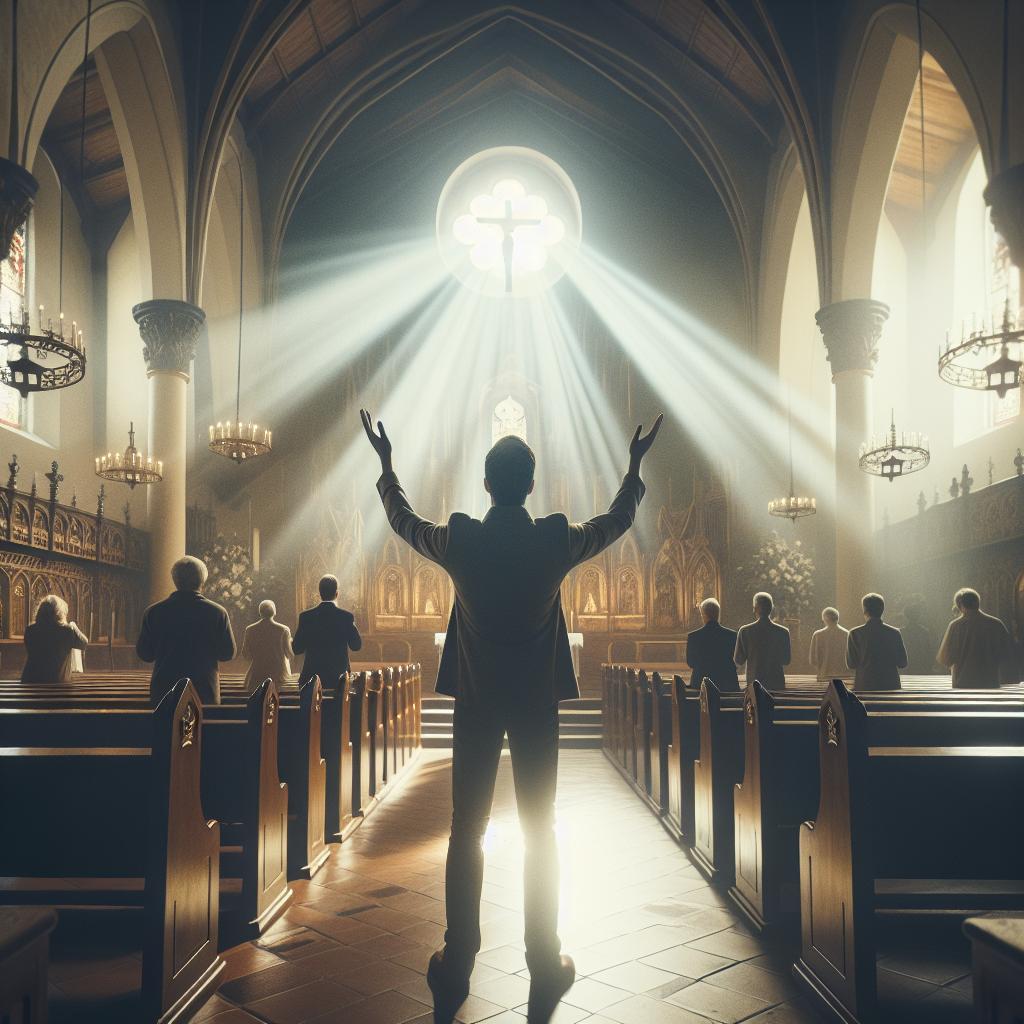
Preaching as a Catalyst for Change
Martin Luther King Jr. was not merely a preacher; he was a transformative figure whose sermons resonated far beyond the church walls. His ability to combine biblical teachings with the pressing social issues of his time positioned him as a leader in the civil rights movement. He advocated for active nonviolence and galvanized communities to mobilize for justice. The speeches and sermons he delivered—most famously the “I Have a Dream” speech—included rich religious imagery and moral imperatives that inspired Americans to strive for equality and justice for all.
The Legacy of His Sermons
Throughout his ministry, King emphasized the importance of faith in exposing and combating social injustices. His sermons frequently enough included:
- Hope and Resilience: He preached about the power of faith to uplift and inspire communities.
- Love and Unity: Central to his message was the idea that love must be the foundation of social change.
- Social Justice: He introduced the concept of a “beloved community,” where trust, respect, and harmony would bridge societal divides.
Exploring Further
| Key Contributions | Impact |
|---|---|
| Sermons and Speeches | Inspired a generation to engage in civil rights activism. |
| Formation of SCLC | Created an organized framework for nonviolent resistance. |
| Emphasis on Nonviolence | Set a moral standard for protests, influencing both contemporaries and future movements. |
| Interfaith Dialog | paved the way for collaboration across diverse religious groups. |
In examining Was Martin Luther King a Preacher? His Role in the Pulpit and beyond, one can see that his sermons were not just about religious faith; they were potent calls to action. King’s unique blend of preaching and activism serves as a model for how spiritual leadership can intertwine with social justice efforts. His unwavering commitment to progress through love and understanding continues to inspire individuals seeking to fight for equality today.
Frequently asked questions
Was Martin Luther King Jr. an Effective Preacher in the Pulpit?
Absolutely! Martin Luther King Jr. was not just an effective preacher; he was one of the most influential voices of his time. Imagine stepping into a pulpit and transforming the lives of thousands with your words — that’s exactly what King did. He harnessed the power of the church to reach not only the hearts of his congregation but also the wider public during the civil rights movement. His sermons were infused with passion, conviction, and a profound understanding of scripture, making his messages resonate deeply with both traditional churchgoers and those advocating for social justice.
King’s ability to blend his religious beliefs with social activism is what set him apart. With his biblical references and moral imperatives, he challenged not just external injustices but also internal complacency. His famous “I Have a Dream” speech embodies this interplay between sermonic delivery and social critique, leaving an indelible mark on American culture. So,when you ask if he was an effective preacher,remember that his impact went far beyond the walls of his church — it echoed throughout an entire nation,encouraging countless women and marginalized individuals to seek their own voices.
How did King Use His Preaching to Inspire Social Change?
Make no mistake: King didn’t just preach; he ignited a movement. His sermons were carefully crafted to connect faith with action.For King,the pulpit was a platform not only for spiritual nourishment but for instigating change.he believed that individual conversion must accompany societal change, and he articulated this in ways that were easy to understand and hard to ignore. By framing social justice issues as moral imperatives grounded in faith, he compelled his audience, especially women of faith, to take a stand.
King’s belief in nonviolent resistance was underscored by his theological reflections. He often referred to the teachings of Jesus and the prophets, portraying the struggle for civil rights as an extension of Christ’s teachings. When he said, “Injustice anywhere is a threat to justice everywhere,” he wasn’t just making a political statement; he was connecting deeply with the moral fabric of his listeners.His ability to weave the gospel into calls for justice provided a framework for many, notably women longing for empowerment and participation in a movement that had often sidelined their contributions.
what Challenges Did King Face as a Black Preacher?
It’s all too easy to view history through rose-colored glasses, but King faced immense challenges as a Black preacher. He navigated a world rife with racism and sexism, not only from outside the church but sometimes from within it, too. Many Black preachers before him were frequently enough dismissed or undermined,and while King rose to prominence,he did so against a backdrop of constant scrutiny and threat.
From threats against his life to the challenges of maintaining unity among diverse factions of the civil rights movement, King’s journey was anything but smooth. He frequently enough had to wrestle with the expectations of various constituents, ensuring that women, who were vital to the movement, were included in leadership roles. King knew that an inclusive approach strengthened the cause, and he valued the powerful testimonies of women in the movement who faced their own struggles. By doing so, he forged a legacy that invited all voices, particularly those of women feeling marginalized by traditional power structures, to assert their value and authority.
In What Ways did King Balance His Roles as a Preacher and Activist?
Balancing the dual roles of preacher and activist is no small feat, but King did it with admirable grace and determination. He understood that the pulpit provided moral authority — a place where he could galvanize support and inspire communal action. Instead of seeing these roles as separate,King showed that they could be interwoven,enriching both his sermons and his activism.
In practical terms, this meant he often used his speaking engagements to highlight pressing social issues such as voter registration, desegregation, and economic inequality. King would address church congregations, emphasizing the urgency of advocating for civil rights while encouraging parishioners to transform their faith into action. His sermons were profound, urging peopel to live out their faith through activism, supporting the idea that every believer has a calling to be an agent of change in their communities—especially for women who felt sidelined by traditional paths.
How Did King’s Preaching Style Influence Others in the Civil Rights Movement?
King’s preaching style was nothing short of revolutionary, and it became a blueprint for others in the movement. His use of metaphor, cadence, and call-and-response techniques resonated with a diverse audience, making his messages not only impactful but also memorable. King knew how to speak to the heart,often blending emotional appeals with prophetic visions of justice and equality.
This style influenced countless others,including many female activists who adopted similar approaches. Women like Ella Baker and Fannie Lou Hamer found ways to channel King’s eloquence into their activism, demonstrating that the power of speech could mobilize and empower deeply oppressed communities. These female leaders took inspiration from King, not just in terms of rhetoric but also in understanding their pivotal roles within the movement. Whether on a pulpit, in community meetings, or during marches, King’s preaching equipped them to assert their voices, challenge patriarchal attitudes, and rally for justice.
What Legacy Did King Leave Behind for Future Generations of Preachers?
King’s legacy as a preacher is profound and multifaceted, combining elements of faith, justice, and empowerment. His life reminds us that the pulpit can be a powerful tool for advocating change. For future generations of preachers, especially women who might feel marginalized, King’s commitment to social justice serves as a model for how to intertwine faith with activism.
King’s writings and speeches continue to inspire countless preachers today. He urged them to take bold stands on social issues, emphasizing that the call to preach is also a call to act. Many contemporary religious leaders point to King as a guiding figure, demonstrating that real faith involves standing up against injustice and advocating for those who are oppressed.His legacy challenges all of us — especially women navigating their faith journey — to embrace our worth, find our voices, and get involved in making a difference within our communities.
Future Outlook
As we wrap up our deep dive into the multifaceted role of martin Luther King jr. as a preacher and activist, let’s pause for a moment. Make no mistake—King didn’t just stand at the pulpit; he broke barriers, shattering the limitations placed on him by both society and religion. His voice echoed the cries of the marginalized, including women who have often felt sidelined in their faith journeys.
Now, ask yourself: if King could use his platform to uplift and embolden the oppressed, what’s stopping you from claiming your own voice? In a world where interpretations of scripture often lean towards the patriarchal, remember that your worth is innate and your calling is significant. You’re not just a spectator in this journey of faith; you have the power to inspire change and lead transformation.
So, as you step forward in your own spiritual walk, carry King’s legacy with you. Remember that your voice matters, your story matters, and you have every right to take the stage in your own life. What will you do with your voice? The world is waiting to hear it!
Get our latest guides, news, and insights highlighted in your Google Search & AI Overviews.


 PROSPERITY PRAYER