

Who Sang Son of a Preacher Man? The Story Behind the Song
Are you curious about the soulful sounds of yesteryear and the stories that gave them life? In our article, “Who Sang Son of a Preacher Man? The Story Behind the Song,” we dive deep into the emotional heartbeat behind one of Dusty Springfield’s most iconic tracks. This isn’t just a song—it’s a narrative rich with longing, love, and a touch of rebellion. Think of it as the original moral conundrum wrapped in a catchy melody. Join us as we explore how a young girl’s encounters with the son of a preacher painted a vivid picture of passion and innocence. So, dust off yoru vinyl and get ready for a lyrical journey through the unforgettable moments that shaped this classic. Trust us, you won’t want to miss the secrets that lie behind those hauntingly gorgeous notes!
Contents
- Who Sang Son of a Preacher Man? The Origins and Significance of the Song
- Who Sang Son of a Preacher Man? The Musical Strengths and Impact on Pop Culture
- Who Sang Son of a Preacher Man? Exploring the Challenges and limitations
- Who Sang Son of a Preacher Man? Interpretations and Applications in Modern Culture
- Who Sang Son of a Preacher Man? Traits and Characteristics of its Iconic Artists
- Who Sang Son of a Preacher Man? Key Takeaways and Invitation for Further Exploration
- Frequently asked questions
- Who is the original artist behind “Son of a Preacher Man”?
- What is the song about?
- Why has the song remained popular over the years?
- How dose the song challenge traditional norms?
- What impact did Dusty Springfield have on music and culture?
- How has “Son of a Preacher Man” been interpreted in modern contexts?
- Concluding Remarks
Who Sang Son of a Preacher Man? The Origins and Significance of the Song
origins of the Song
The song “Son of a Preacher Man” was famously performed by Dusty Springfield, but it was actually written by the renowned songwriting duo of John Hurley and ronnie Wilkins. Released in 1968, it quickly became a hallmark of Springfield’s career and is celebrated for its blend of soul and pop, which encapsulates the distinctive sound of the 1960s. The narrative within the lyrics tells the story of a young girl’s infatuation with the son of a preacher, deepening the emotional undercurrents of the song and making it relatable to many listeners.
Significance of the Narrative
At its core, “Son of a Preacher Man” explores themes of forbidden love and longing, highlighting the complexities of attraction in the context of social expectations. The song illustrates a tension between personal desires and societal roles, particularly through its portrayal of the preacher’s son, who symbolizes a blend of innocence and seduction. This deep emotional connection is matched by the engaging melody, creating a lasting impact that resonates with the audience. Additionally, the lyrics are often interpreted as a reflection of rebellious youth during a transformative period in American culture, making it more than just a catchy tune; it serves as a cultural artifact of the time.
Connection to Worship and Spiritual Themes
The concept of a preacher’s son carries meaningful weight in various cultures,often associated with spiritual guidance and moral expectations. Double meanings may be derived from the juxtaposition of spirituality and sensuality in the song. As the young girl recalls her encounters with the preacher’s son, it brings forth an emotional resonance that speaks to the duality of human experience, invoking themes of spirituality intertwined with personal desire. This multifaceted approach makes the song appeal across different generations and interpretations.
impact and Legacy
“Son of a Preacher Man” has not only solidified its place in pop culture but has also been covered by numerous artists, extending its legacy beyond the original release. The song’s catchy refrain and relatable storyline continue to engage listeners, ensuring that it remains a staple in both musical and cultural discussions. Its relevance has been bolstered by appearances in films and television, bringing new audiences to appreciate the artistry of Springfield and the poignant storytelling encapsulated in the song.

Who Sang Son of a Preacher Man? The Musical Strengths and Impact on Pop Culture
Musical Strengths of “Son of a Preacher Man”
“son of a Preacher Man,” originally performed by Dusty Springfield, showcases a blend of soul, pop, and gospel influences that contribute to its enduring appeal. The song’s smooth, emotive melody is underscored by a compelling rhythm that invites listeners into its narrative. Key highlights of its musical structure include:
- Melodic Hooks: the chorus, with its memorable phrasing, is instantly recognizable and evokes a sense of nostalgia.
- Vocal Performance: Springfield’s powerful and soulful delivery brings depth and passion to the lyrics, effectively conveying the song’s themes of love and longing.
- Instrumentation: The arrangement incorporates a lush horn section and rhythmic guitar, enhancing the rich texture that characterizes the track.
Impact on Pop Culture
The impact of “Son of a preacher Man” extends far beyond its initial release in 1968. It has become a cultural touchstone, weaving itself into various aspects of entertainment and media. Over the years, the song has been featured in numerous films and television shows, further embedding it in the public consciousness. Notable examples include:
| Media | Year | Context |
|---|---|---|
| Pulp Fiction | 1994 | Used in a pivotal scene, enhancing the film’s retro aesthetic. |
| The Simpsons | 1992 | Parodied in an episode, showcasing its longstanding relevance in popular culture. |
| American Horror Story | 2012 | Featured to underscore themes of sin and redemption. |
Legacy and Covers
The enduring legacy of “Son of a Preacher Man” is also marked by its numerous covers by various artists across different genres. Each rendition adds a unique flavor while respecting the original’s spirit. Some notable interpretations include:
- Aretha Franklin: Her soulful version highlighted her powerful vocal range and deep emotional connection to the song.
- John Legend: Infusing a contemporary R&B style, Legend’s cover brought new life to the classic.
- Tina Turner: her energetic performance showcased the song’s versatility and appeal across generations.
As the question “Who Sang Son of a Preacher Man? The Story Behind the Song” continues to resonate, the song remains a significant artifact in the landscape of modern music, celebrated not only for its catchy melody but also for its rich storytelling and cultural resonance.

Who Sang Son of a Preacher Man? Exploring the Challenges and limitations
Challenges in the Song’s Reception
Despite the song’s widespread acclaim and popularity, “Son of a Preacher Man” faced challenges related to its thematic content.The song dives into a narrative that intertwines themes of love, secrecy, and morality, primarily through the lens of a young woman’s infatuation with the son of a preacher. This portrayal raised eyebrows in certain communities,where the moral implications of such relationships were often scrutinized. Dusty Springfield, the artist famous for this cover, navigated these challenges by delivering an emotionally resonant performance that softened the edges of the song’s audacity.
Artistic Limitations Experienced by Dusty Springfield
Though Springfield’s rendition is celebrated, she confronted limitations as an artist, primarily linked to the expectations of the music industry and cultural norms of the 1960s. Some of the challenges included:
- genre Constraints: As a British artist delving into an American soul sound, she faced skepticism from both audiences and industry gatekeepers.
- Personal Insecurities: Springfield often battled self-doubt about her vocal abilities, which affected her confidence in live performances.
- Social Expectations: The societal norms of the era limited the expression of themes associated with sexuality and taboo relationships in mainstream music.
Impact of Cultural Context
The cultural context of the 1960s significantly impacted how the song and its performer were perceived. Dusty Springfield managed to break some barriers but also exemplified the struggles artists faced in addressing controversial themes. Her ability to convey emotion and depth in the lyrics of “Son of a Preacher Man” allowed her to connect with audiences, yet it required careful navigation of the prevailing attitudes surrounding female sexuality and morality in music.
legacy and Continuing challenges
Even today, as we analyze who sang “Son of a Preacher Man”, it is indeed essential to acknowledge the lasting impact of the song, which continues to resonate.The original narrative’s challenges remind us of the ongoing discussions around the representation of non-conventional relationships in music. While the song has become a classic, the exploration of its themes still evokes diverse reactions in contemporary settings, proving that great music not only entertains but also stimulates thought and debate about societal values.
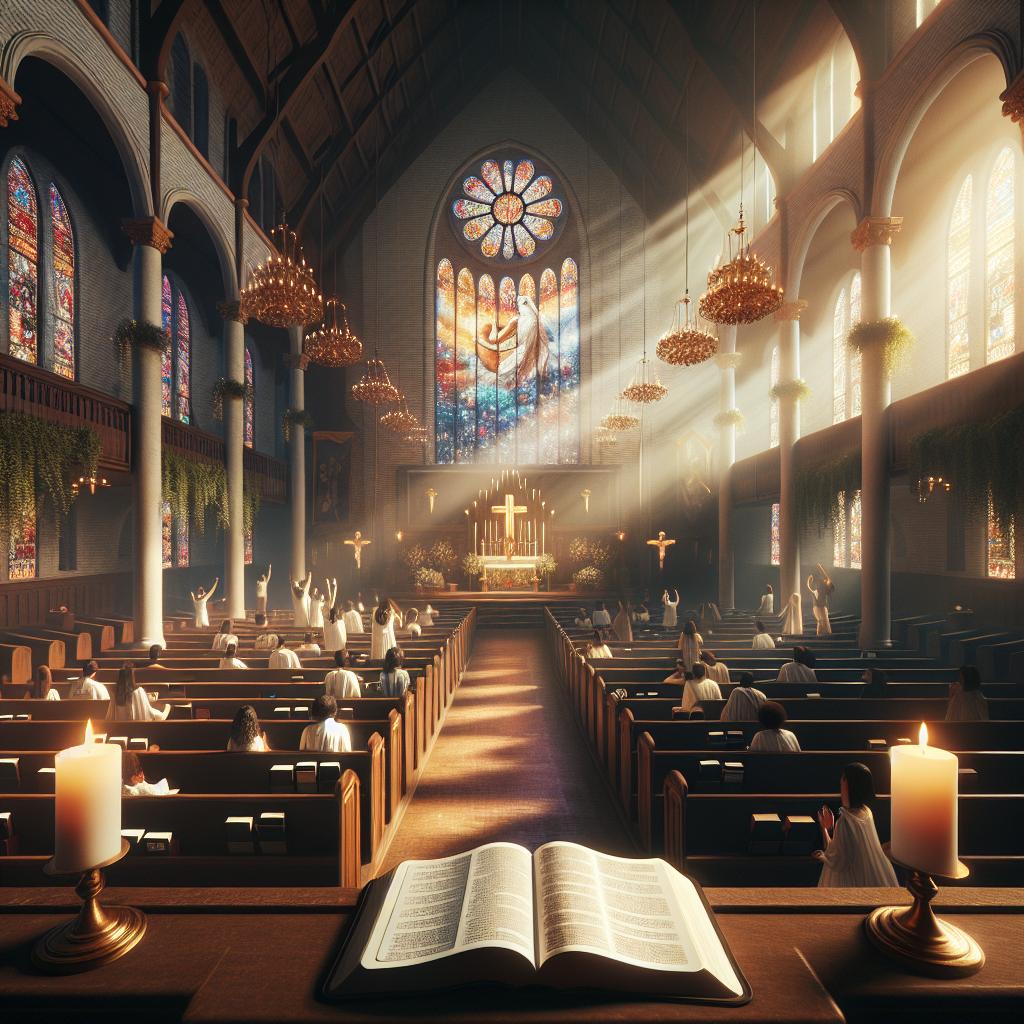
Who Sang Son of a Preacher Man? Interpretations and Applications in Modern Culture
Interpretations of “Son of a Preacher Man”
“Son of a Preacher Man,” performed by the iconic Dusty Springfield, resonates deeply due to its evocative themes of youthful desire and the complexities of love influenced by religious backgrounds. Many interpretations highlight the song’s exploration of a romantic relationship that defies social expectations, particularly given the suitor’s lineage as the son of a minister. The lyrics suggest a blend of innocence and forbidden passion, capturing a moment in time when personal emotions clash with societal norms.
Emotional and Cultural Reflections
The song’s narrative illustrates a connection that many listeners find relatable, as it echoes the struggles between love and morality. In current culture, this reflection can extend to discussions about:
- The impact of upbringing on romantic relationships
- The tension between desire and societal expectations
- How religious values shape personal choices
Moreover, the song’s popularity has led to various covers and modern adaptations, thereby rejuvenating its themes for new audiences while still paying homage to Springfield’s original rendition.
Applications in Modern Culture
Today, the themes encapsulated in “Son of a Preacher Man” can be observed in numerous facets of entertainment, including film, television, and contemporary music. The juxtaposition of love and constraint has become a prevalent trope, reflecting ongoing societal discussions about morality and personal choice. Artists draw from the iconic song to address issues like:
- The complexities of taboo romances
- Intergenerational conflicts regarding love and relationships
- The exploration of personal identity against cultural expectations
In addition,its use in movies and advertisements reinforces the emotional depth of the narrative. By weaving these themes into modern storytelling, creators perpetuate the lasting influence of “Son of a Preacher Man,” demonstrating its significance as a cultural touchstone.
| aspect | Traditional Interpretation | Modern Request |
|---|---|---|
| Romantic Relationships | Conflict between love and morality | Exploration of taboo and forbidden love |
| Social Expectations | Influence of family values | Debates around personal identity and freedom |
| Cultural Heritage | Reflection of church and community | Challenging traditional beliefs in modern narratives |
Who Sang Son of a Preacher Man? Traits and Characteristics of its Iconic Artists
Dusty Springfield: The Voice behind the Classic
Dusty Springfield, a British singer with a profoundly distinctive voice, is primarily known for her hit “Son of a Preacher Man.” Her emotional delivery and soulful sound captivated audiences, blending elements of pop, soul, and R&B. Springfield’s vocal prowess is marked by:
- Rich Tone: Her powerful, smoky vocals contributed greatly to the song’s allure.
- Expressive Interpretation: Dusty’s ability to convey deep emotions resonated with listeners, making her performances memorable.
- Authentic Style: Sporting a beehive hairdo and distinctive fashion sense, her visual aesthetic matched her musical talent, becoming iconic in its own right.
Influences and Impact
The song gained renewed fame in the 1990s when Quentin Tarantino featured it in his film Pulp Fiction, thus introducing it to a new generation. This resurgence highlighted Dusty’s status as a cultural icon, showcasing her influence not just as a singer but as a pioneer for female artists in music.
Table: Key Traits of Dusty Springfield
| Trait | Description |
|---|---|
| Vocal Range | Powerful, smooth, and emotive |
| Stylistic Versatility | Blended pop, soul, and R&B seamlessly |
| Influence | Paved the way for women in music, influencing numerous artists |
The Cultural Resonance of “Son of a Preacher Man”
Beyond dusty Springfield, “Son of a Preacher Man” resonates with various artists who covered it, each adding their unique flair. The song’s narrative about forbidden love amidst pious surroundings speaks universally, allowing it to transcend generations and musical styles. This adaptability showcases the songwriting as a core strength, further enhancing its legacy within the context of “Who Sang Son of a Preacher Man? The Story Behind the Song.”

Who Sang Son of a Preacher Man? Key Takeaways and Invitation for Further Exploration
Who Sang Son of a Preacher Man?
Released in 1968, “Son of a Preacher Man” is famously sung by Dusty Springfield, whose soulful voice helped to bring the song to life.The track, penned by John Hurley and Roger Cook, became one of Springfield’s most iconic hits, showcasing her exceptional vocal range and emotional depth. Besides her remarkable rendition, the song has also been covered by various artists over the years, enhancing its legacy and appeal across generations.
Key takeaways
- Song’s Narrative: The lyrics tell the story of a young girl’s infatuation with the preacher’s son, capturing themes of desire and nostalgia.
- Cultural Impact: The song has left a lasting mark on popular culture, featuring in films and television shows, and continues to resonate with audiences worldwide.
- Musical style: “Son of a Preacher Man” blends elements of soul and pop, characterized by its catchy melody and rich instrumentation.
Invitation for Further Exploration
For those interested in diving deeper into the song’s history, exploring its various covers can provide insight into its lasting influence.Notable covers include those by Aretha Franklin and George Michael, each bringing their distinct flair to the beloved classic. Additionally, understanding the cultural context of the 1960s, a time of significant social change, can enrich one’s thankfulness of the song’s themes and its broader implications.
| Artist | Year of release | Notable Achievements |
|---|---|---|
| Dusty Springfield | 1968 | Reached #10 on the Billboard Hot 100 |
| Aretha Franklin | 1970 | Featured on her album “This Girl’s in Love with You” |
| george Michael | 1999 | Included in his live performances,celebrating the song’s legacy |

Frequently asked questions
Who is the original artist behind “Son of a Preacher Man”?
Make no mistake, the iconic voice that most people associate with “Son of a Preacher Man” is none other than Dusty Springfield. Released in 1968, this track became one of her signature songs, blending pop and soul in a way that resonated deeply with audiences.It has a unique charm that showcases her powerful voice and emotional delivery. Springfield, a British singer, had an extraordinary knack for infusing her songs with passion, and this track is a testament to her talent.But let’s not forget, the song was written by John Hurley and Ronnie Wilkins. Thay crafted lyrics that tell the story of a young woman who finds herself irresistibly drawn to the preacher’s son, capturing both the thrill and the taboo of their secret encounters.Dusty’s version not only brought the song to life but also added layers of depth that connect intimately with listeners, particularly women who can relate to navigating the complexities of desire and societal expectations.
What is the song about?
at its core, “Son of a Preacher Man” is about more than just a romantic fling; it represents the yearnings and struggles of a young woman. She sneaks away with the preacher’s son every Sunday when his father goes to preach, highlighting the tension between spiritual duty and personal desire. The lyrics paint a vivid picture of this forbidden love, drawing you into her world of excitement and rebellion.
This song transcends just a romantic narrative; it speaks to themes of freedom and self-discovery. For many women, especially those who might feel marginalized in their faith journey, it serves as an anthem of empowerment.The protagonist’s ability to embrace her desires, despite the oppressive surroundings represented by the preacher’s authority, can resonate deeply and inspire confidence in those who feel confined by traditional roles.
Why has the song remained popular over the years?
“Son of a Preacher Man” has an enduring quality that keeps it relevant. Its catchy melody and relatable lyrics have made it a classic in various genres. From its original release, the song has been covered and celebrated by numerous artists, including Aretha Franklin, which speaks volumes about its appeal across different demographics. It has also gained new life through its inclusion in popular culture, most notably in the film Pulp Fiction.
This song evokes nostalgia while connecting with younger audiences who appreciate its themes of love, rebellion, and the search for identity. It serves as a reminder that personal struggles are timeless, and the desire to break free from societal constraints is global. In a world that often tries to dictate how women should act, songs like this encourage individuality and assertiveness.
How dose the song challenge traditional norms?
Interestingly, “Son of a Preacher Man” presents a nuanced challenge to the expectations placed on women, particularly within religious contexts. The young woman’s adventures with the preacher’s son symbolize a rebellion against the often rigid, patriarchal structures of faith. Instead of being depicted as a passive character, she actively pursues her desires, embodying agency and empowerment.
This portrayal can be particularly liberating for women grappling with their faith and identity. It encourages listeners to question conventional narratives and consider the complexity of human experience in spiritual contexts. By embracing her choice, the protagonist offers a powerful statement: that seeking personal happiness does not diminish one’s worth or spirituality.
What impact did Dusty Springfield have on music and culture?
Dusty Springfield didn’t just sing; she paved the way for countless female artists by infusing her music with authenticity and emotion. Her distinctive style, characterized by soulful melodies and heartfelt lyrics, helped bridge the gap between pop and soul music during the 1960s. Springfield’s influence is evident in the works of many contemporary artists, from Adele to Amy Winehouse, who credit her as an inspiration.
Beyond her musical achievements, Springfield’s presence challenged societal norms of femininity and sexuality. she was openly expressive about her identity, defying expectations in an era when women were often expected to conform to strict roles.By embracing her artistry and personal truth, she empowered so many women to embrace their own journeys of self-discovery and expression.
How has “Son of a Preacher Man” been interpreted in modern contexts?
In today’s landscape, “Son of a Preacher Man” continues to inspire discussions about faith, sexuality, and empowerment. many find that the message of the song speaks to current challenges women face in balancing their spiritual beliefs with personal desires.It also invites reflective dialogues about the frequently enough restrictive interpretations of religious texts that can stifle women’s voices.
Furthermore,this song’s relevance in modern feminist discourse highlights the importance of reclaiming narratives that celebrate women’s autonomy. Instead of being shamed for their desires, women are encouraged to explore their passions, ask questions, and embrace their journeys unapologetically. In this way, “Son of a Preacher Man” stands as a cornerstone in both musical history and contemporary feminist thought, reminding us all that our stories deserve to be told.
Concluding Remarks
As we wrap up our journey into “son of a Preacher Man,” let’s take a moment to reflect—it’s not just a catchy tune, but a powerful anthem that echoes the complexities of our faith journeys. Make no mistake; this song isn’t just for the nostalgic souls who recall its soulful melodies. It resonates especially with us, the women carving our own paths in spaces often dominated by patriarchal voices.
Have you ever felt like your story was sidelined, your voice muffled in the crowd? Trust me, you’re not alone. This song reminds us that our experiences are valid and worthy of being sung out loud. So, the next time you hear that unforgettable chorus, remember it’s a call to embrace your worth and challenge the constraints that seek to define you.
We’ve got the wisdom, the strength, and the song in our hearts to rewrite our narratives.Let this be your anthem—an empowering reminder that we are more than the roles assigned to us. So stand tall,sing out,and own your story. Because at the end of the day,it’s not about where we come from; it’s about where we’re going. And with every note, we’re moving toward a brighter, more inclusive future. keep shining,ladies!


 THE SECRET ELITES DON'T WANT YOU TO KNOW