
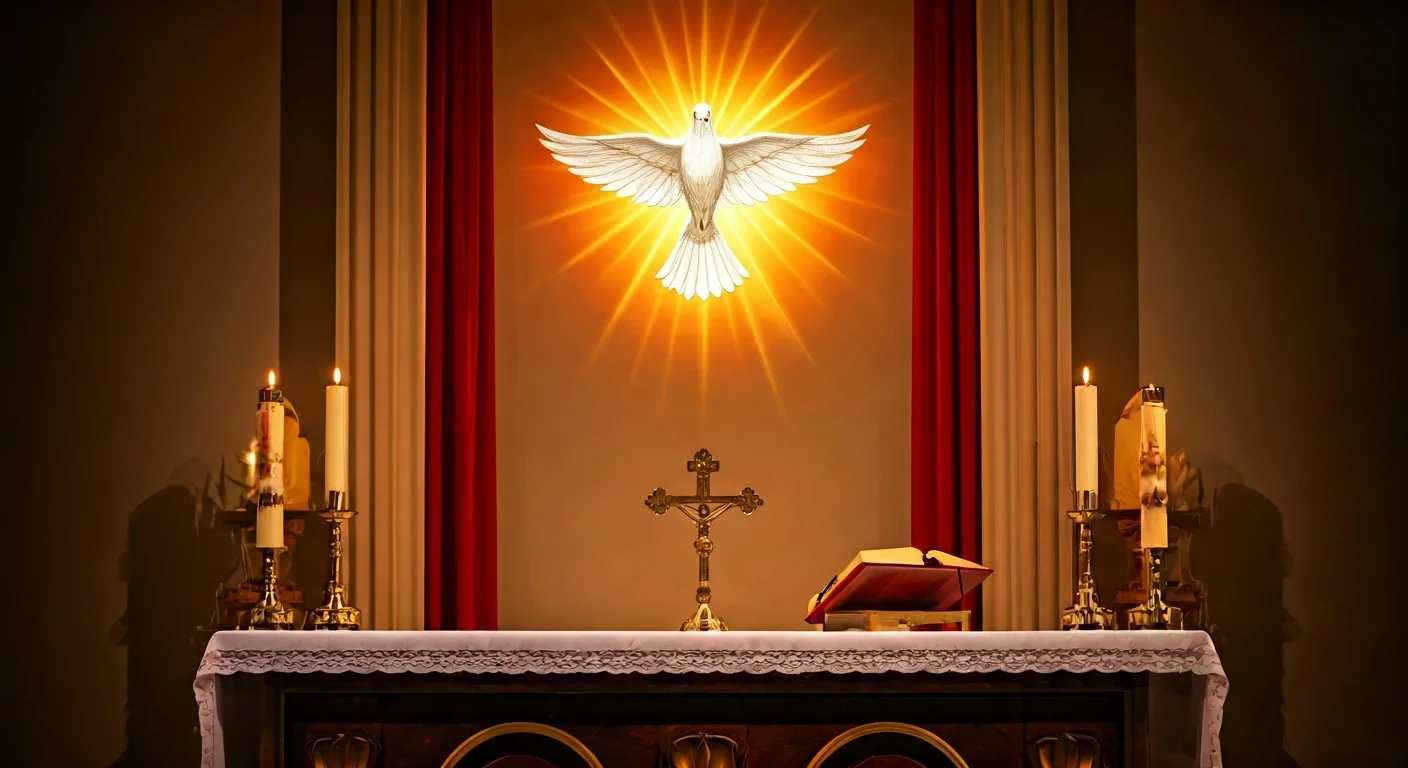
People lighting candles Guide | Western Church
✨ This article was AI edited. Editorial responsibility: WesternChurch.net.
People lighting candles represents a significant concept within Christian theological inquiry, liturgical history, and ecclesiastical governance. Across Western and Eastern traditions, understanding how biblical doctrine, historical precedent, and pastoral oversight intersect regarding this subject provides essential clarity for church leaders, congregants, and theological researchers seeking authentic Christian practice.
Throughout two millennia of ecclesiastical history, Christian communities have continuously interpreted apostolic scripture and historical tradition to navigate practical and theological questions. When examining people lighting candles, it is vital to explore both the biblical mandates and the historical development that shaped various denominational perspectives. From the early patristic eras through the Protestant Reformation and modern church polity, theological frameworks provide structured guidance for the faithful seeking truth in an ever-changing world.
Contents
Biblical Foundations and Scriptural Hermeneutics
The foundation of Christian understanding regarding people lighting candles rests firmly upon biblical interpretation. Scriptural passages across the Old and New Testaments offer vital principles concerning worship, leadership, spiritual discipline, and communal responsibility. Key biblical pillars include:
- Apostolic Teaching: The Epistles of Paul, Peter, and John provide direct pastoral instructions for maintaining doctrinal integrity and loving order within the body of Christ.
- Covenantal Context: Biblical covenants reveal God’s enduring redemptive plan, guiding how believers understand moral duty, sacramental participation, and corporate worship.
- Hermeneutical Consistency: Sound exegesis requires interpreting passages within their historical, cultural, and literary contexts to apply timeless truths faithfully today.
- Spiritual Discipleship: Scripture consistently teaches that outward religious forms must be accompanied by inward transformation, humility, and genuine faith.
- Communal Sanctification: Corporate worship and biblical instruction serve to unite believers across diverse cultural backgrounds in singular devotion to Jesus Christ.
Historical Evolution Across Major Christian Denominations
Different ecclesiastical branches have developed distinct approaches to people lighting candles, influenced by historical controversies, theological confessions, and governance models:
| Denominational Stream | Source of Authority | Theological Stance on People lighting candles | Practical Implementation |
|---|---|---|---|
| Roman Catholicism | Sacred Scripture, Sacred Tradition & Magisterium | Sacramental worldview governed by universal Canon Law | Parochial hierarchy, sacramental celebration, diocesan oversight |
| Eastern Orthodoxy | Holy Scripture & Seven Ecumenical Councils | Unbroken Patristic consensus and mystical theology (Theosis) | Liturgical veneration, episcopal synods, ancient monastic tradition |
| Reformed & Presbyterian | Sola Scriptura & Westminster/Three Forms of Unity | Covenant theology, sovereignty of God, presbyterian order | Session and Presbytery governance, disciplined doctrinal preaching |
| Baptist & Free Evangelical | Sola Scriptura & Believer’s Priesthood | Local congregational autonomy and regenerate church membership | Elder and deacon ministry, congregational voting, active evangelism |
| Lutheranism | Scripture & Book of Concord (Augsburg Confession) | Law and Gospel distinction, Justification by Faith alone | Liturgical renewal, pastoral office, confessional catechism |
| Methodist & Wesleyan | Scripture, Tradition, Reason & Experience | Arminian grace, sanctification, and social holiness | Connectional governance, class meetings, active benevolence |
Patristic Perspectives and Early Church Consensus
Examining the writings of the Early Church Fathers provides crucial insight into how the earliest generations of believers interpreted matters related to people lighting candles. Figures such as Saint Ignatius of Antioch, Saint Augustine of Hippo, Saint John Chrysostom, and Saint Athanasius addressed how apostolic tradition must guard the flock against heresy while maintaining authentic Christian fellowship.
Their theological treaties demonstrated that true faith involves a harmonious synthesis of sound doctrine (orthodoxy) and righteous living (orthopraxy). In the context of people lighting candles, patristic writings continually remind modern believers that church practices are not mere administrative conventions, but spiritual instruments designed to lead souls toward eternal communion with the Triune God.
Theological Implications and Doctrinal Nuances
Delving deeper into people lighting candles requires addressing the core theological questions that distinguish historical traditions. Central themes include the nature of the church (ecclesiology), the means of grace (sacraments/ordinances), and the calling of believers (vocation):
- Ecclesiological Order: How authority, pastoral care, and church discipline are administered to protect the flock from error while nurturing spiritual maturity.
- Sacramental Integrity: Ensuring that the rites and spiritual practices of the church accurately reflect biblical revelation and historical orthodoxy.
- Confessional Standards: The role of historical creeds (such as the Nicene Creed, Apostles’ Creed, and Chalcedonian Definition) in establishing boundaries of sound doctrine.
- Pastoral Application: Translating theological principles into compassionate, practical ministry that addresses modern ethical and personal challenges.
- Eschatological Hope: Keeping the ultimate return of Christ and the consummation of the Kingdom of God at the center of all present church endeavors.
Practical Guidelines for Pastors, Leaders, and Congregants
Whether you are serving in church leadership or seeking personal spiritual growth regarding people lighting candles, following structured practical steps ensures faithful alignment with church teachings and fosters healthy community life:
- Study the Word Prayerfully: Anchor all personal opinions and church decisions in rigorous, prayerful study of the Holy Scriptures.
- Respect Ecclesiastical Standards: Familiarize yourself with your specific denomination’s constitution, book of order, or canonical statutes.
- Pursue Peace and Unity: In all theological discussions and leadership transitions, prioritize mutual respect, clarity, and Christian charity (Ephesians 4:3).
- Seek Qualified Mentorship: Consult experienced pastors, theologians, and historical resources when navigating complex pastoral or doctrinal issues.
- Cultivate Personal Holiness: Align inward motives and outward actions with the transformative grace of the Holy Spirit in daily life.
Frequently Asked Questions (FAQ)
What is the primary biblical context regarding people lighting candles?
Scripture emphasizes that all church practices must glorify God, edify the congregation, and maintain spiritual purity and order within the community of faith according to 1 Corinthians 14:40.
How can church members navigate differences in practice across denominations?
Understanding the historical and confessional reasons behind denominational distinctives fosters ecumenical respect while helping believers remain committed to their local church covenant.
What role does church tradition play in interpreting people lighting candles?
While Protestant traditions hold to Sola Scriptura as the ultimate authority, historical tradition provides invaluable guidance and safeguards against modern doctrinal misinterpretations.
Where can I find more in-depth ecclesiastical analyses?
Explore our extensive theological library on Western Church, including detailed guides on Christian Denominations, Biblical Hermeneutics, and historical church traditions.
Get our latest guides, news, and insights highlighted in your Google Search & AI Overviews.


 PROSPERITY PRAYER