

Leading the New Side: After the Presbyterian Church Split
In the ever-evolving landscape of religious institutions, few events carry the weight and significance as a major church split. The Presbyterian Church, renowned for its rich history and strong faith tradition, recently experienced such a division, giving rise to a new and distinct faction within its ranks. As we delve into the aftermath of this significant fracture, we aim to shed light on the key players, ideologies, and challenges faced by those leading the new side of the Presbyterian Church. Through an informative lens, we will navigate the diverse perspectives and implications of this division, ultimately uncovering the path laid out for this emerging entity. Join us on this insightful journey as we explore the complexities and implications of "Leading the New Side: After the Presbyterian Church Split.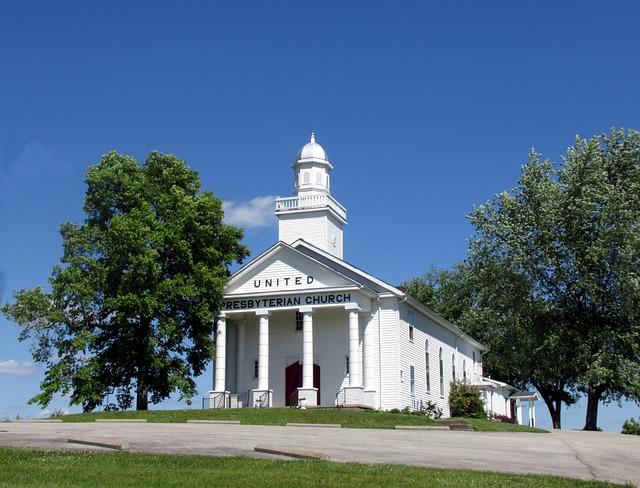
Contents
- Leading the New Side: After the Presbyterian Church Split
- – Understanding the Presbyterian Church Split: Background and Key Factors
- – Navigating the Transition Period: Challenges and Opportunities
- – Preserving Faithful Theology: Ensuring Doctrinal Authenticity in the New Church
- – Establishing Effective Leadership: Key Roles and Responsibilities
- – Fostering Inclusive Communities: Emphasizing Love and Acceptance for All
- – Nurturing Pastoral Care: Supporting and Ministering to Congregants
- In Retrospect
Leading the New Side: After the Presbyterian Church Split
With the recent split in the Presbyterian Church, a new side has emerged, poised to lead and forge its own path within the religious community. This division has sparked conversations and debates within congregations, as individuals seek to navigate the changing landscape and align themselves with a new vision.
The leaders of the New Side movement are driven by a passion for inclusivity, transparency, and progressive values. They firmly believe in adapting religious practices to meet the needs of a modern society while upholding the core principles of the Presbyterian faith.
In their pursuit of unity and growth, the New Side movement has set out several key goals:
- Fostering a welcoming and inclusive environment for all individuals, regardless of their background or beliefs.
- Encouraging open dialogue and constructive debate, emphasizing the importance of understanding diverse perspectives.
- Embracing social justice initiatives, aiming to address inequality and promote equality within and beyond the church community.
- Nurturing strong relationships with other religious organizations and fostering interfaith dialogue to foster understanding, tolerance, and unity.
The leaders of the New Side movement are committed to building a strong and vibrant community that supports each individual’s personal and spiritual growth. By leading with grace, compassion, and a sense of purpose, they aim to create a space where all can find solace, connection, and a meaningful relationship with their faith.

– Understanding the Presbyterian Church Split: Background and Key Factors
The split in the Presbyterian Church was a significant event that led to the formation of the New Side faction. This new group emerged as a response to the growing tensions and disagreements within the church, particularly regarding theological and ecclesiastical matters. Understanding the key factors that played a role in this split is crucial when it comes to comprehending the motivations and perspectives of those who led the New Side movement.
One of the main background factors that contributed to the split was the Great Awakening, a powerful religious revival that swept through the American colonies in the 18th century. This movement brought about significant changes in the way people worshiped and understood their faith, sparking debates within the Presbyterian Church. Some members embraced the revival and its emphasis on personal religious experiences, while others remained more traditional in their approach.
Another important factor was the increasing influence of the New England Congregationalist Church on Presbyterian theology. The New England influence, often associated with the Enlightenment and a more rationalist approach to religion, clashed with the more conservative beliefs of many Presbyterian clergy and laypeople. This ideological divide deepened the existing tensions within the church.
Furthermore, conflicts over the issue of licensing ministers and the degree of doctrinal discipline also played a role in the split. The Old Side faction, which represented the more conservative and traditionalist wing of the church, advocated for stricter licensing procedures and a rigid adherence to Presbyterian doctrine. On the other hand, the New Side believed in a more relaxed approach, allowing for a greater diversity of theological perspectives and preaching styles.
Understanding these key factors provides valuable insights into the reasons behind the formation of the New Side faction within the Presbyterian Church. By delving into the background of the split and the factors that led to it, we can gain a deeper understanding of the history and dynamics of the Presbyterian Church during this crucial period.

As the Presbyterian Church navigates through a significant transition period following an unfortunate split, it is essential for leaders to grasp the challenges and opportunities that lie ahead. The division has undoubtedly created a complex landscape, demanding thoughtful and strategic decision-making.
One of the most pressing challenges is the reunification of congregations and communities that have been impacted by the split. Rebuilding trust and fostering understanding between the different factions will require open communication channels and a spirit of reconciliation. It is an opportunity for leaders to engage in dialogue and bridge the gaps that have formed. By actively listening to the concerns and needs of all parties involved, a new sense of unity can gradually emerge.
Another challenge to consider during this transitional period is aligning the administrative and logistical aspects of the church. Congregations may have diverged in their way of operating and organizing, necessitating a cohesive framework that ensures smooth operations and efficient decision-making. Leaders must be diligent in assessing the existing systems, identifying areas of discrepancy, and implementing strategies to streamline processes.
Amidst these challenges, there are numerous opportunities for growth and renewal. This transitional phase presents a chance to redefine and reaffirm the core values and mission of the church. Leaders can instigate conversations around innovative approaches to ministry, embracing technological advancements, and reaching out to a broader audience. By collectively envisioning a shared future, the Presbyterian Church can adapt and thrive in a changing world.
In summary, as leaders navigate the transition period post-Presbyterian Church split, they must address challenges such as reuniting congregations and aligning administrative structures. Simultaneously, they can seize opportunities for growth, innovation, and renewal, forging a path towards a united and purposeful future for the church.

– Preserving Faithful Theology: Ensuring Doctrinal Authenticity in the New Church
Preserving Faithful Theology is of utmost importance as we navigate the aftermath of the split in the Presbyterian Church. Ensuring Doctrinal Authenticity in the New Church is not only a responsibility but a sacred duty for those leading the way on the New Side. In this post, we will explore practical steps that can be taken to preserve the core tenets of our faith and maintain a strong theological foundation for the future.
1. Commitment to Scripture: The Word of God is the bedrock of our faith. It is essential that leaders in the New Church prioritize the study and understanding of Scripture. This will enable us to discern any potential deviations from faithful theology and keep our doctrine aligned with biblical truth.
2. Engage in Theological Education: Continuing education in theology is crucial for the leaders of the New Church. By investing in study programs, attending seminars, and seeking mentorship from respected theologians, we can deepen our understanding of the fundamentals of our faith and better equip ourselves to guard against doctrinal drift.
3. Encourage Critical Thinking: A healthy and vibrant community is one where individuals are encouraged to ask questions and engage in thoughtful discussion. Creating spaces where members can explore differing perspectives while remaining grounded in the essentials of our faith helps prevent the spread of unorthodox beliefs. Emphasize the importance of discernment and wise discernment through study groups and open forums.
4. Establish Doctrinal Statements: Clear and concise statements of faith act as guiding principles for the New Church. By delineating the core doctrines that define our beliefs, we provide a foundation for future decisions and ensure consistency throughout the congregation. These statements can be used as teaching tools, reminding members of the theological boundaries and maintaining doctrinal authenticity.
Table: An example of a Doctrinal Statement
| Doctrine | Belief |
|————————————-|————————-|
| The Trinity | We believe in the triune God: Father, Son, and Holy Spirit |
| Salvation by Grace Through Faith | We affirm that salvation is a gift of God, received through faith in Jesus Christ. |
| Authority of Scripture | We uphold the Bible as the inspired and infallible Word of God, authoritative in all matters of faith and practice. |
| The Virgin Birth of Christ | We confess that Jesus Christ was miraculously conceived by the Holy Spirit and born of the Virgin Mary. |
By adhering to these principles, the leaders of the New Side can navigate the ever-changing landscape with confidence and ensure that our theology remains faithful and authentic. Let us remain committed to preserving the core truths of our faith as we forge ahead into a new era for the church. Your leadership and dedication are invaluable in upholding the doctrinal integrity of the New Church!
– Establishing Effective Leadership: Key Roles and Responsibilities
Leading the New Side of the Presbyterian Church after the recent split is not an easy task, but with the right approach, the challenges can be tackled head-on. In order to establish effective leadership, it is crucial to clearly define the key roles and responsibilities within the new leadership structure.
1. Visionary Leadership
A visionary leader is needed to set the direction and inspire the congregation towards a shared goal. This role involves developing a strategic vision for the church and communicating it effectively to the members. It requires a strong sense of purpose and the ability to motivate others towards achieving the mission.
2. Pastoral Care and Guidance
A key responsibility of the new leadership is to provide pastoral care and guidance to the congregation. This entails offering spiritual support, counseling, and guidance to individuals in times of need. It is important to create a welcoming and inclusive environment where members feel valued and supported.
3. Administrative and Organizational Skills
Efficient administration and organization are essential for the smooth functioning of the church. Leaders should possess strong organizational skills to oversee various aspects such as finances, governance, and operational management. This includes budgeting, resource allocation, and establishing policies and procedures to ensure accountability.
4. Communication and Relationship Building
Effective communication is at the heart of successful leadership. Leaders should be proficient in both verbal and written communication, ensuring clarity and transparency in all interactions with the congregation. Building strong relationships with both internal and external stakeholders is also crucial to foster unity and collaboration.
5. Table with Leadership Roles
| Role | Responsibilities |
| Visionary Leader | Provide a clear sense of direction and inspire the congregation |
| Pastoral Care and Guidance | Offer spiritual support, counseling, and guidance to individuals |
| Administrative and Organizational Skills | Manage finances, governance, and operational management |
| Communication and Relationship Building | Ensure effective communication and build strong relationships |
By clearly defining these key roles and responsibilities, the new leadership can work together harmoniously, ensuring the success and growth of the Presbyterian Church after the split. Each role complements the others, creating a strong and united leadership team that can navigate the challenges ahead with confidence and commitment.

– Fostering Inclusive Communities: Emphasizing Love and Acceptance for All
–
In the aftermath of the recent split within the Presbyterian Church, there arises an undeniable need for a renewed focus on fostering inclusive communities that emphasize love and acceptance for all. As leaders in this new era, it is our responsibility to ensure that every individual feels valued, respected, and welcomed within our congregations.
To achieve this, we must first recognize the importance of love as the foundation of our faith. Love goes beyond mere tolerance; it embraces and celebrates our differences, whether they be in race, gender, sexual orientation, or culture. We are all children of God, deserving of acceptance and support. By placing love at the center of our communities, we can create an environment that encourages growth, inclusivity, and understanding.
One way we can foster inclusive communities is by actively engaging in dialogue and education. This means providing opportunities for individuals to learn about different perspectives, experiences, and struggles. By organizing workshops, seminars, and open forums, we can facilitate healthy discussions that promote empathy, compassion, and acceptance. It is through these conversations that we can better understand each other and build bridges of understanding, ultimately creating a safe space for everyone to share their stories and be heard.
Additionally, it is essential to address any prejudices and biases that may exist within our communities. This requires a commitment to ongoing self-reflection and growth, as well as a willingness to challenge and dismantle systemic barriers. As leaders, we must actively work to create an atmosphere where everyone feels valued and appreciated, regardless of their background or personal circumstances.
Finally, it is crucial to actively reach out to marginalized individuals within our communities. This includes providing support systems, counseling services, and resources tailored to their specific needs. By prioritizing their well-being, we can further foster an environment that champions love and acceptance for all.
Ultimately, leading the new side of the Presbyterian Church post-split requires an unwavering commitment to creating inclusive communities that prioritize love and acceptance. By embracing diversity and actively working towards understanding, we can become a beacon of hope and change within our society. Together, let us stand united, committed to fostering a future where all are embraced and cherished as equals.
– Nurturing Pastoral Care: Supporting and Ministering to Congregants
Within the context of a Presbyterian church split, it becomes essential to focus on nurturing pastoral care and providing support to both congregants and ministers. As leaders, it is our responsibility to navigate this challenging time with empathy, sensitivity, and a deep understanding of the needs of our community.
Here are some key strategies we can implement to ensure effective support and ministry:
1. Communication and Listening: Establish open lines of communication with congregants to encourage dialogue and express understanding. Actively listen to their concerns, fears, and hopes, creating a safe space where they feel valued and heard.
2. Healing and Restoration: Offer opportunities for healing and restoration by organizing counseling sessions, support groups, or workshops where individuals can share and process their emotions. Moreover, it is important to foster an atmosphere of love and forgiveness, promoting unity even amidst differences.
3. Pastoral Visitation: Prioritize regular pastoral visitation to connect on a more personal level with congregants, understanding their individual journeys and struggles. These visitations can further strengthen the sense of community and reinforce the support network within the church.
4. Training and Equipping: Provide training and resources for ministers and lay leaders to enhance their understanding of pastoral care during times of upheaval. Equipped with the necessary skills, they can confidently guide congregants through the challenges and encourage spiritual growth.
Remember, in times of division, the practice of nurturing pastoral care becomes crucial in fostering an environment of love, healing, and support. By prioritizing the well-being of our congregants, we can lead the way towards unity and a renewed sense of faith in our community.
In Retrospect
In conclusion, the division within the Presbyterian Church has undoubtedly brought about significant changes, but it has also given birth to a fresh wave of leadership. As we have explored in this article, numerous individuals have stepped forward to lead the new side, each equipped with a deep understanding of the faith and a passion for building inclusive and progressive communities of worship.
The split has undoubtedly been a challenging journey, with both sides grappling with their convictions and searching for a path forward. However, the resulting growth and transformation within the new side have demonstrated the resilience and adaptability of the Presbyterian community.
While acknowledging the complexities and difficulties that arise from any major decision, it is worth affirming the powerful energy and innovative spirit that now characterizes the new side. The emergence of this leadership presents an opportunity for exciting growth, transformation, and unprecedented dialogue within the Presbyterian Church.
With a natural human tone, we can confidently state that the new side is poised to make significant strides in creating a more inclusive and progressive faith community. The knowledge and expertise of these emerging leaders, coupled with a shared commitment to unity, justice, and Christ-centered worship, offer a promising future for the Presbyterian Church.
As the dust settles from the division, it is crucial to remember that amidst change and uncertainty, it is the spirit of cooperation, respect, and love for one another that will ultimately guide the way. While the split has undoubtedly created differences, it is essential to approach these divergences with an open heart and a willingness to engage in dialogue.
As we navigate this new chapter in the life of the Presbyterian Church, let us embrace the challenges and seize the opportunities that lie ahead. By leading with knowledge, confidence, and a commitment to unity, we can forge a path toward a more inclusive and progressive future. The new side stands ready, with an abundance of talent, to ensure the continued vitality and relevance of the Presbyterian faith in the world today.
Get our latest guides, news, and insights highlighted in your Google Search & AI Overviews.


 PROSPERITY PRAYER